








Cardiac Magnetic Resonance, CMR
Cardiac Magnetic Resonance (CMR) is the method of choice for assessing the contractility (ejection fraction) of the left and right ventricles, atria, and related cardiopathies. It also aids in the diagnosis and evaluation of cardiac tumors, aortic and large vessel diseases, valve disorders in natural and prosthetic valves (stenosis/regurgitation), myocarditis, pericarditis, ischemia and myocardial viability, and iron deposition in the myocardium due to multiple transfusions.
CMR is one of the newest cardiac imaging techniques. It is non-invasive, safe, painless, and radiation-free, making it ideal for investigating heart conditions.
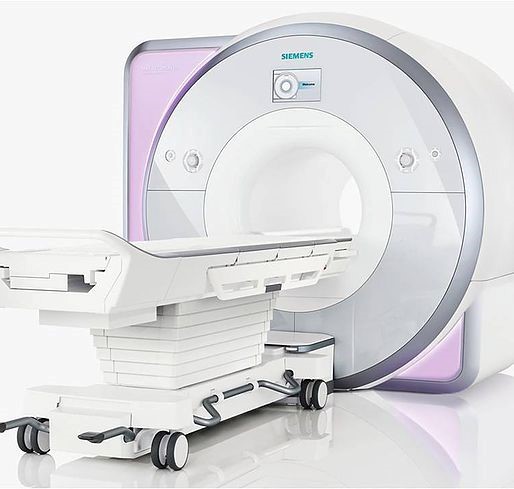
The Cardiac MRI Department at Metropolitan Hospital is equipped with state-of-the-art 3 Tesla Skyra technology and staffed by fully specialized personnel trained in the USA.
Coronary Artery Disease
Cardiac MRI provides critical information on coronary artery disease. It is valuable for assessing coronary artery origin and morphology, perfusion, ventricular motion at rest and stress, and myocardial viability.
Myocarditis
CMR is the preferred method for diagnosing myocarditis, with sensitivity reaching 95–100%. Myocarditis may present with overt clinical symptoms or in atypical forms, with over 50% of atypical cases progressing to heart failure if left undiagnosed.
Cardiac Mass Measurement
Beyond ventricular function, CMR is an excellent tool for measuring cardiac mass. It is the method of choice for evaluating causes of dilated cardiomyopathy, the extent and distribution of hypertrophic cardiomyopathy, iron deposition in multi-transfused patients, and early myocardial damage.
Assessment of Natural and Prosthetic Valves
CMR is successfully used to assess both natural and prosthetic heart valves and is as reliable as transesophageal echocardiography.
Cardiac and Large Vessel Anatomy
CMR is ideal for studying cardiac and large vessel anatomy, monitoring patients with aortic aneurysms and vasculitis, and assessing cardiac tumors and their relationship with cardiac structures. It is also effective in detecting pericardial effusions not visible on echocardiography.
Conventional & Advanced Cardiac MRI Techniques
Conventional cardiac MRI is one of the most important imaging techniques for diagnosing cardiovascular diseases.
Major indications include:
- Heart failure and myocardial dysfunction
- Myocarditis
- Cardiomyopathies (hypertrophic, dilated, infiltrative, arrhythmogenic)
- Coronary artery disease (detection of perfusion abnormalities and post-infarction scarring)
- Valve disorders
- Pericardial diseases
- Cardiac tumors
- Congenital heart disease
- Diagnosis and monitoring of thoracic aortic aneurysms
The Cardiac MRI Unit at Metropolitan Hospital features 1.5T and 3T scanners with staff certified at SCMR Level 3 and EACVI Level 3, performing advanced CMR studies.
Modern techniques applied include adenosine stress perfusion MRI and myocardial T1/T2 mapping MRI.
Adenosine Stress Perfusion MRI
Main indications:
- Excluding coronary artery disease in low- to intermediate-risk individuals
- Assessing hemodynamic significance of intermediate coronary stenoses
- Evaluating cardiomyopathies causing angina and subendocardial ischemia
- Studying perfusion and myocardial viability post-infraction
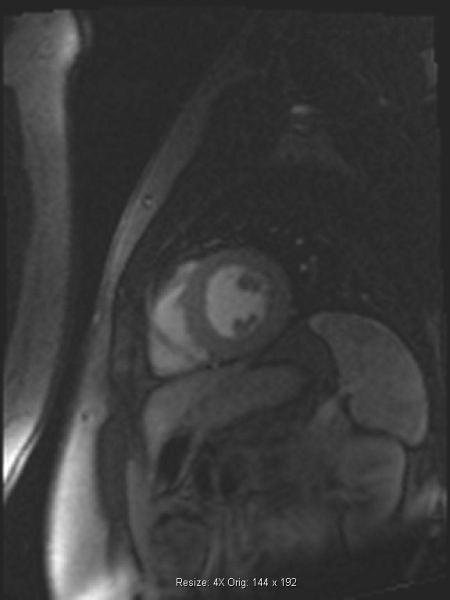
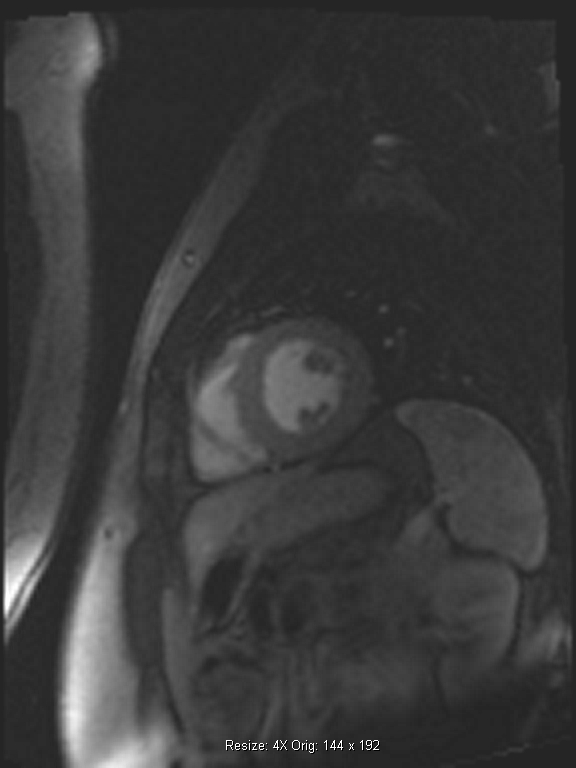
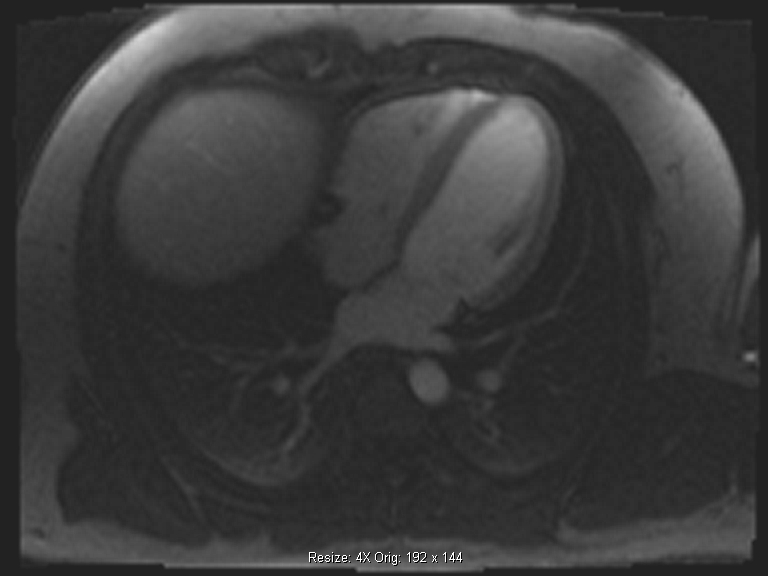
Key advantages: higher sensitivity and specificity compared to other stress imaging methods (myocardial scintigraphy, stress echo), detection of even small subendocardial ischemic areas and myocardial scars, better spatial resolution, and safety due to absence of ionizing radiation. (Image 1).
 1
1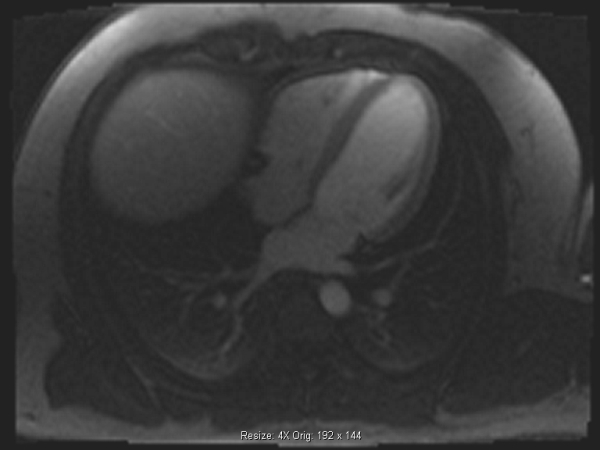 2
2
Myocardial T1/T2 Mapping MRI
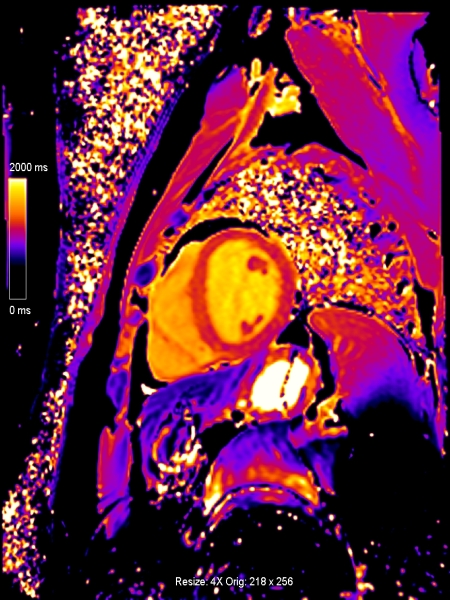
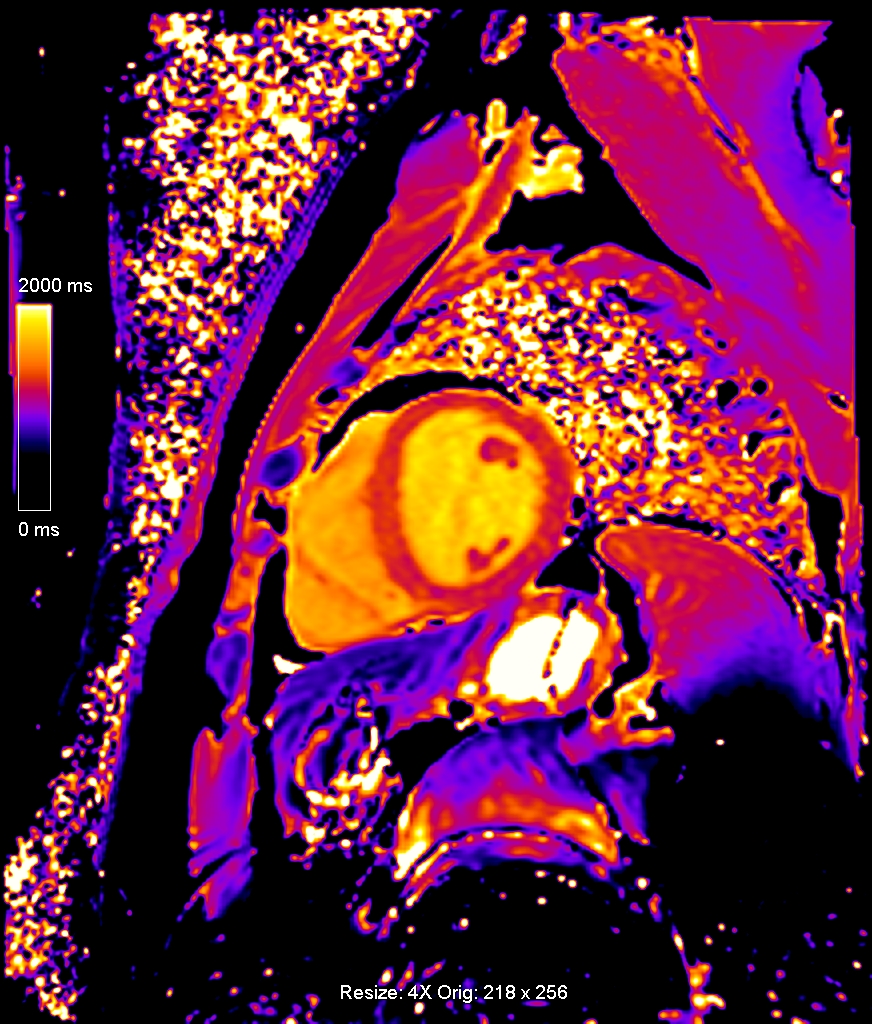
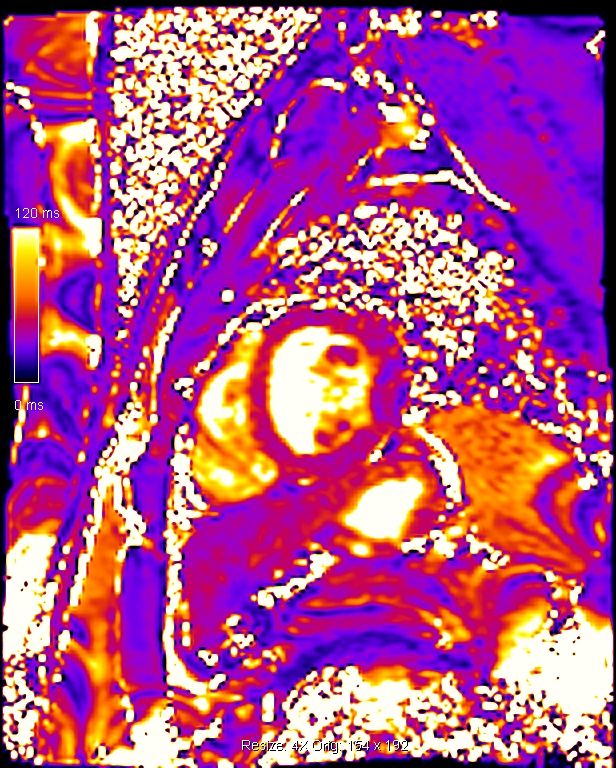
T1 and T2 myocardial mapping allows rapid, contrast-free, and safe myocardial characterization, detecting edema and fibrosis. It complements standard CMR sequences and provides critical information in patients with contraindications to contrast agents, such as pregnancy or allergies. (Image 2).
 1
1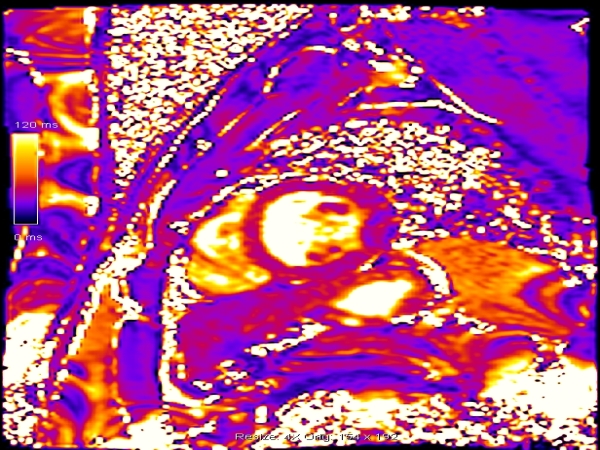 2
2
CMR is essential in evaluating congenital heart disease in children and adults. The examination is suitable for all patients with suspected cardiac issues, except those with pacemakers, defibrillators, severe claustrophobia, or end-stage renal failure.
CMR is patient-friendly, requires no special preparation, and provides high-quality tomographic images.