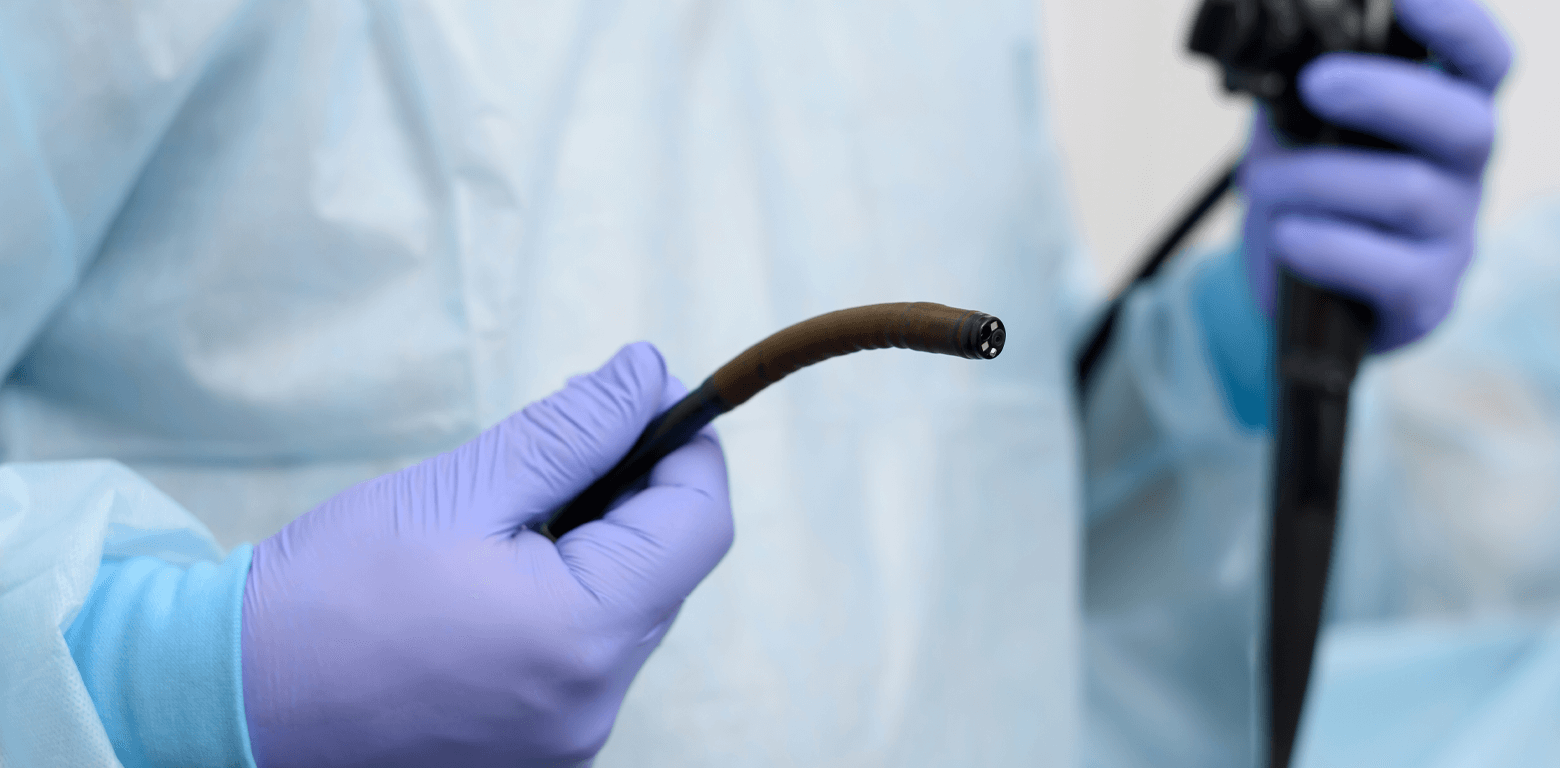





Pulmonology has always been — and remains, especially with today’s advances — a leading medical specialty with both a strong clinical and highly specialized laboratory profile. According to recent data from the World Health Organization, approximately 60% of the general population either suffers from a diagnosed chronic respiratory disease or experiences persistent symptoms (such as cough, shortness of breath, or sputum production) linked to the respiratory system.
Active and passive smoking, air pollution, obesity, diet, lack of exercise, long working hours, poorly ventilated indoor spaces, artificial air conditioning, biomass burning, climate change with rising heat and humidity, allergies, infections, frequent travel, and increased life expectancy leading to an aging population — all these factors significantly contribute to the morbidity of the lungs and respiratory system. Furthermore, advances in diagnostic methods and longer survival of patients with chronic illnesses compared to the past have inevitably led to an increase in the number of people living with chronic respiratory disease.
Conditions such as bronchial asthma, chronic obstructive pulmonary disease (COPD), sleep apnea syndrome, lung cancer, bronchiectasis, pulmonary fibrosis, and chronic respiratory failure are now very common. These require accurate diagnosis, personalized approaches, evidence-based treatment, and regular follow-up. It should also be emphasized that the lungs are frequently affected in other increasingly common conditions such as autoimmune, oncological, cardiovascular, metabolic, hematological, and neurodegenerative diseases, often resulting in chronic pulmonary syndromes. Additionally, drug- and therapy-induced pulmonary toxicity must not be overlooked.
Beyond chronic conditions, acute respiratory diseases are also highly prevalent, including pneumonia and other bacterial, viral, or fungal infections, pulmonary embolism, asthma attacks, COPD or pulmonary fibrosis exacerbations, pleuritis, acute respiratory failure, sudden dyspnea, acute cough, chest pain, and hemoptysis. According to National Emergency Services data (2017), 30% of patients urgently transferred to public hospital emergency departments present with acute respiratory conditions or acute exacerbations of chronic respiratory diseases.
The Pulmonology Department at Metropolitan Hospital operates daily in close collaboration with other hospital departments and laboratories — including Intensive Care, Cardiology, Oncology, Radiology, Interventional Radiology, Nuclear Medicine, Infectious Diseases, Rheumatology, Thoracic Surgery, Radiotherapy, Pathology, Cytology, Microbiology, Molecular Biology, and Physiotherapy. The department is fully staffed with experienced medical professionals and equipped with cutting-edge technology, enabling it to meet the full spectrum of diagnostic and therapeutic challenges on a daily basis.
Our Pulmonology Department is fitted with state-of-the-art medical equipment and performs all required examinations for the comprehensive assessment, accurate diagnosis, and proper follow-up of every respiratory disease.
Our goal is to achieve the highest possible diagnostic and therapeutic outcome for every patient in the shortest possible time and with the lowest possible burden — both financial and personal — for the patient and their family. Every team member, from their respective area of expertise, with the full support of hospital leadership and administrative services, works diligently each day to fulfill this mission.