








Excellent aesthetic results with the help of robotic technology
The management of both younger and older patients with spinal deformities, such as kyphosis or scoliosis, is clearly aesthetic but extends beyond purely cosmetic outcomes.
Treatment of children and adults with scoliosis or kyphosis is equally functional. According to the largest global study to date, both in terms of patient numbers and follow-up duration, scoliosis in young individuals exceeding 45 degrees tends to progress even into adulthood, causing significant functional issues and pain.
Moreover, according to a recent multicenter study by Weill Cornell, NYU, and Washington University in the U.S., scoliosis and kyphosis in elderly patients are typically accompanied by pain and substantial reduction in quality of life. Therefore, our goal is to improve both quality of life and achieve excellent aesthetic results.
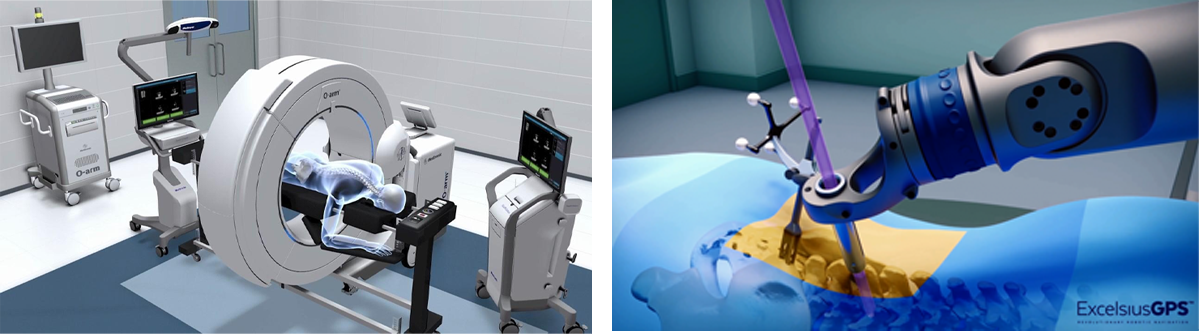
The combination of the robotic Excelsius GPS system, intraoperative O‑Arm Navigation, and intraoperative neurophysiological monitoring is exclusively available in Greece at Metropolitan Hospital. Its daily use by Dr. Lykissas’ team provides superior aesthetic and functional outcomes for patients of all ages with scoliosis or kyphosis.
With the robotic system, ease and precision in implant placement as well as reduced risk of neurological injury are remarkable. Equally impressive is the correction of scoliosis or kyphosis. According to a study from our center, among patients operated on in recent years, the average deformity correction exceeds 90% relative to the initial degree, and in many patients, we achieved 100% correction. This scoliosis correction rate is considered exceptionally high worldwide and is directly related to the optimal placement of implants using robotic technology and navigation.
Robotic system compared to other techniques
Compared with conventional spinal surgery techniques, the robotic system:
- Minimizes the risk of neurological injury
- Ensures absolute accuracy in implant placement
- Provides the best possible scoliosis correction
- Significantly reduces operative time
- Significantly reduces blood loss
- Shortens hospital stay
- Minimizes the likelihood of future reoperation
These advantages of robotic surgery over conventional methods clearly demonstrate the superiority of robotic technology in patient safety and achieving an ideal aesthetic and functional outcome.
Patient cases
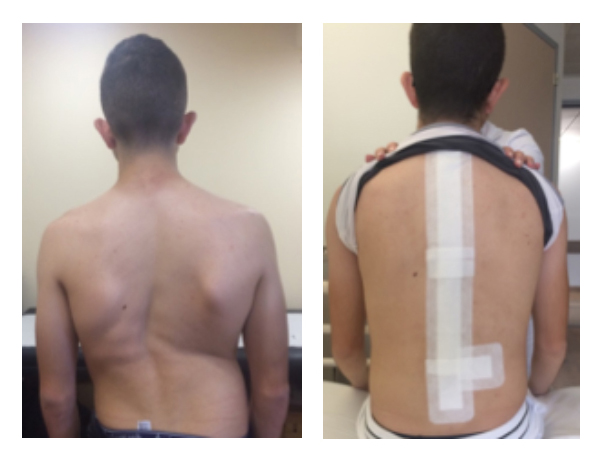
Adolescent patient, 16 years old: idiopathic scoliosis corrected 100% using the latest technology by Dr. Lykissas. Images before and 24 hours post-surgery. (Images from Dr. Lykissas’ archive)
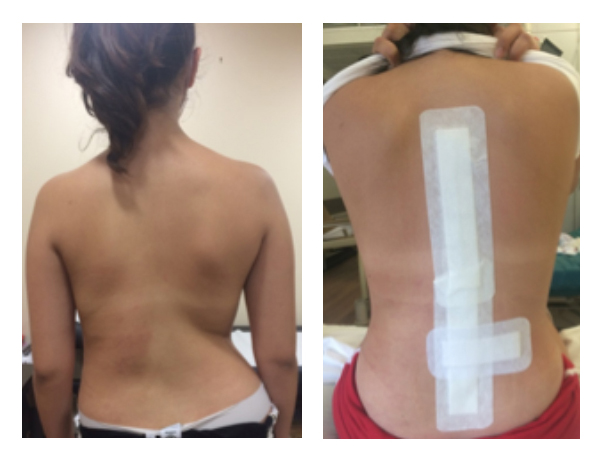
Young patient, 14 years old: idiopathic scoliosis corrected 100% using robotic surgery by Dr. Lykissas. Images before and 24 hours post-surgery. (Images from Dr. Lykissas’ archive)
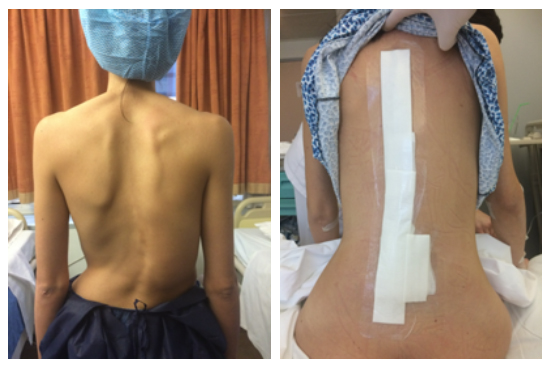
Adult female patient: severe scoliosis corrected 24 hours post-surgery with the help of robotic navigation.